Have you ever toured the Hershey’s Chocolate Factory before? Many years ago, my family visited the East Coast of the United States and part of our holiday included a trip to the Hershey Factory. My childhood memories of the place include a small amusement ride with singing cows and crowded shop with every Hershey’s and Reese’s confectionery you can imagine. Evidently very little of the actual factory-ness impressed upon me, and if they did showcase the real production sites, I didn’t care. What I cared about were the flashy songs and enormous chocolate bars–things that would naturally draw the attention of any guest.
When I moved to Dunedin, New Zealand at the ripe age of 19, the Cadbury Chocolate Factory was a rite-of-passage for visitors and locals alike. With a slightly more adult memory, I remember thinking that the now demolished factory was sort of a let down. Perhaps this was the reality for the Hershey’s Factory as well, but the tour of the Dunedin Cadbury factory stood out as an awkward combination one or two Willy Wonka-esque rooms and the less exciting industrial atmosphere. The tour included the famous (and largest in the world) “chocolate waterfall”, which was more of a bucket sloughing out chocolate down a rusting stack.
In both factories, I have no memory of seeing what the actual day to day production of chocolate looked like. Rather, grungey factories capitalise on the tourism market to fictionalise the production of their beloved products. Real production is masked in a false reality of what the culture and reality of chocolate making is: messy, industrial and something we actually don’t want to see.
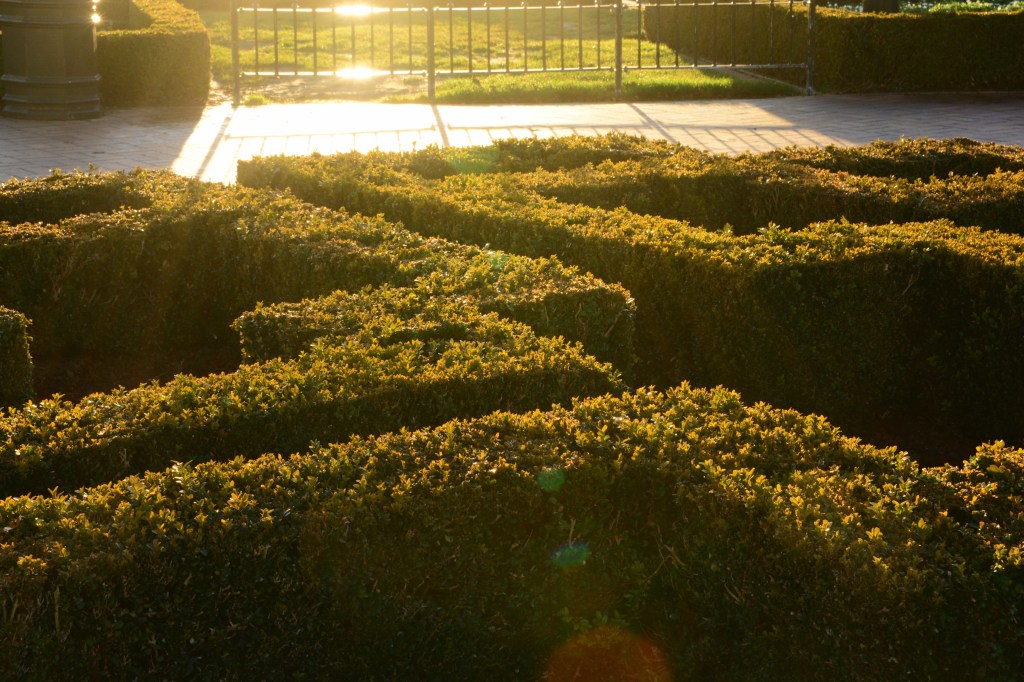
Similarly enough, on a small trip to Budapest, I felt this same sense of uneasiness. Let me explain.
My trip to Hungary was the first place I’d been in awhile where I didn’t know a single person from the country. It was probably the first time I had just booked tickets and a hostel and not even looked up anything about the culture or places to go, and my vague sense of the Parliament building and the Halászbástya (Fisherman’s Bastion) were really the only things that guided me.
Now, this could easily turn into a lesson as to why you should do your research before going somewhere, but I wanted to see what it was like just being an absolute tourist. So I followed the lists of just about every travel blogger labelled “must-dos in Budapest”.
I usually champion ethical and mindful travelling, and the short visit to Budapest left me even more convinced that tourism is the same as going on a chocolate factory tour: the reality is that you don’t see the reality. You may come away with epic photos of some beautiful places, but could you really say you experienced the factory? Or did you see pretty things that only partially resemble the history, culture and life in that country?
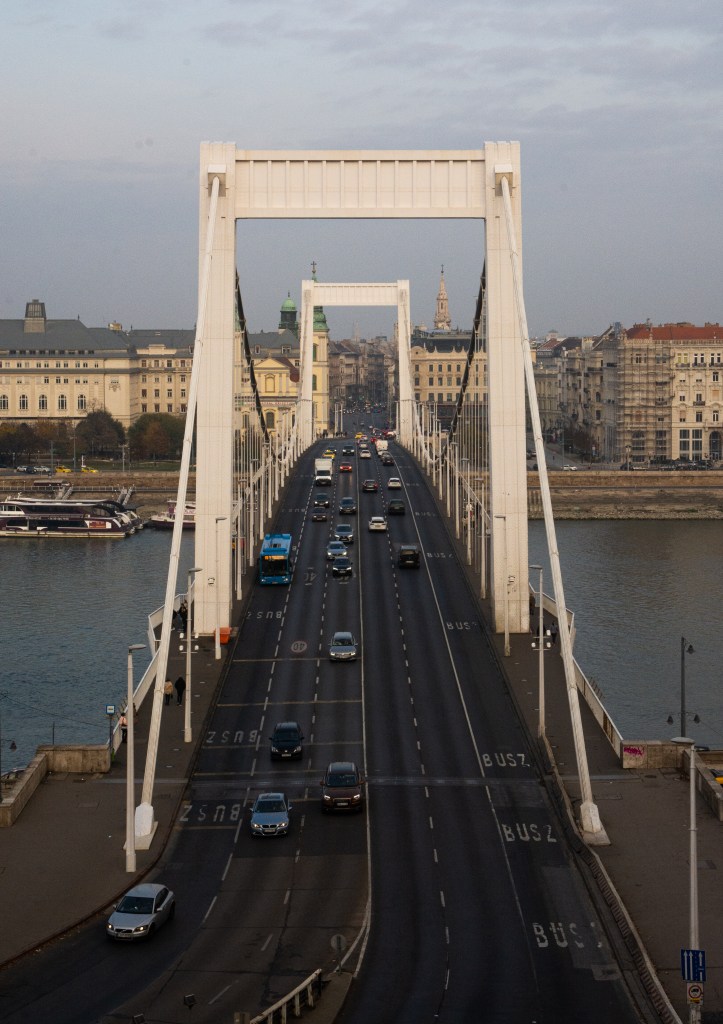
During my visit in Hungary, I got to spend the weekend with an old friend, and our weekend was encapsulated in the complete lack of knowledge of country. And I can assure you, that even after having been there, I still know very little about the country. How on earth is that possible?
For one, we didn’t talk to anyone and we didn’t visit any museums. We intended too, but the pandemic situation was not playing out in our favour, so most of what we got to do involved food or the great [cold] outdoors. There were a few occasions to see the free exhibits at Buda Castle or learn about the political history outside the Museum of Terror, but even if museums were the way to learn about the country, is that really the best way of getting to know a country?
Don’t get me wrong– we got to see a good amount, tried gulyás (goulash), ate a kürtöskalács (chimney cake), and did most of the things listed on the “must-do” lists across the internet. Because of COVID, the spa pools were not super feasible, but we checked the boxes that the internet told us to check.
But I am still unsatisfied.
I think these lists and highly edited photos are misleading. You can expect being surrounded by every man and his dog who read the first search engine result, you won’t actually experience the local culture, and unless you’re willing to stop a stranger and ask them about their life, you certainly won’t actually learn about the people who live there.
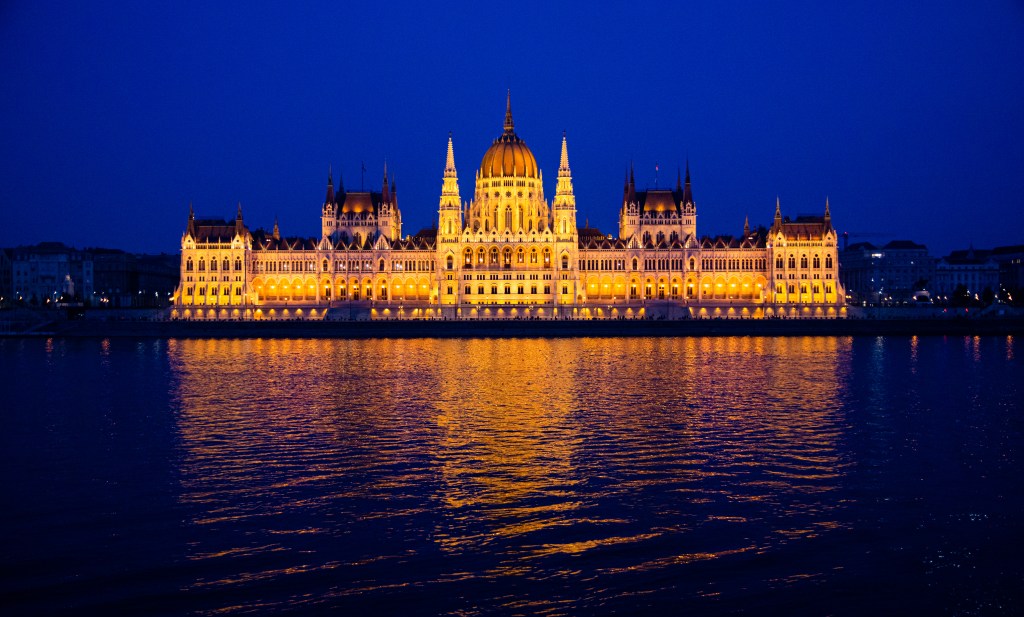
I wish I had taken a moment to stop shoving my camera around Budapest and actually said hello to the people around me. There are a number of questions I still have for Hungarians: Why do men of all ages seem to walk around in big groups but women often go around alone? Why are there so many male barber shops in Budapest? Why are hot pools so central to the culture? Why does it feel like everyone speaks English but no one speaks English? Does it offend you when I try to learn your language?
Perhaps the biggest mistake we make when travelling abroad is not interacting with the people around us. We’re happy to stay in our bubbles of checking off must-sees, and we forget that these places host real people with real lives. I know from experience that it can be awkward and weird to just start chatting to the person taking a picture of the same thing as you, or the person at the table next to you. But it’ll show you much more than walking around a building will.

I can assure you that I will not be repeating that ignorant sightseeing tour I did of Budapest. Remember the singing cows of the Hershey’s Chocolate Factory? I don’t want to see that. I don’t want to see the glamourised tourist traps which offer little insight into the country. It’s a bit daunting, but I want to know what an actual factory looks like. How does it run? Who does what? The same goes for every city, country and landscape. I want to get to know what’s really there. I want to know the people that run the factory, the people that make up the populations.
So this is my proposition: don’t leave a place you’ve visited until you have met someone from there. Ask them about their life. Ask them what it’s like living in that country. Ask them what they love, what they hate.
Maybe we need to break out of our individualistic, insular minds. Whatever it takes, no matter how uncomfortable, it’s worth a shot. Go get to know the real factory, mess and all.
 vibrantcorners.com